Table of Contents
- What Is a D/VVS Diamond?
- What Does D Color Mean?
- Can You Actually See the Difference With D Color?
- What Does VVS Mean in Diamonds?
- VVS1 vs. VVS2: What's the Difference?
- Is a D/VVS Diamond Flawless?
- D/VVS vs. D/VS Diamonds
- Does D/VVS Mean the Diamond Will Sparkle More?
- Are D/VVS Diamonds Rare?
- D/VVS Lab Grown Diamonds
- Why D/VVS Works Well in Diamond Jewelry
- Is D/VVS Worth It?
- D/VVS Does Not Replace the Other 4Cs
- What Should You Look for When Buying a D/VVS Diamond?
- Common D/VVS Diamond Myths
- The Bottom Line on D/VVS Diamonds
- FAQs
If you have been shopping for fine diamond jewelry, you may have seen a diamond described as a D/VVS diamond. But what exactly does that mean?
A D/VVS diamond combines two exceptionally high diamond quality grades. D refers to the diamond's color, while VVS refers to its clarity. Together, they describe a diamond that is colorless and has only extremely small clarity characteristics that are difficult for a skilled grader to see under magnification.
At After Diamonds, D/VVS is a specification you will see frequently across our lab grown diamond jewelry. Understanding what those letters actually represent can help you compare diamonds more confidently and understand what you are paying for.
What Is a D/VVS Diamond?
A D/VVS diamond has:
D color
VVS clarity
These are two separate measurements within the 4Cs of diamond quality:
Cut
Color
Clarity
Carat weight
D is the highest grade on the standard D to Z color scale.
VVS stands for Very, Very Slightly Included and sits near the top of the diamond clarity scale.
So when a jeweler describes a stone as D/VVS, they are communicating two things: the diamond has the highest color grade and very high clarity.
What Does D Color Mean?
Diamond color grading can seem confusing because D does not sound like the highest possible grade.
But it is.
The standard diamond color scale begins at D and continues through Z.
D represents the highest colorless grade. As the scale progresses, increasingly noticeable traces of yellow or brown can appear in diamonds within the normal color range.
The major categories are generally understood as:
D to F: Colorless
G to J: Near colorless
K and below: Increasingly noticeable color
A D color diamond sits at the very top of this scale.
GIA developed the D to Z system partly to create a standardized alternative to older, inconsistent grading terms. D was intentionally chosen as the starting point rather than continuing earlier systems that had used grades such as A, B, and C.
Can You Actually See the Difference With D Color?
Sometimes, but the differences between neighboring high color grades can be extremely subtle.
An untrained observer may struggle to distinguish a D color diamond from an E or F diamond without controlled conditions and comparison stones.
That does not make the grade meaningless.
Color grading provides a standardized way to describe how close a diamond is to being colorless. For someone specifically looking for the highest possible color specification, D provides a clear answer.
It can also be especially attractive in white metals such as white gold or platinum, where there is little warm metal color surrounding the stone.
However, diamond beauty does not suddenly disappear below D.
A well cut E, F, G, or even lower color diamond can still be extremely beautiful.
D represents the top of the color scale, not a requirement for a beautiful diamond.
What Does VVS Mean in Diamonds?
VVS stands for Very, Very Slightly Included.
Diamond clarity measures internal characteristics called inclusions and surface characteristics called blemishes.
The standard clarity scale runs from:
Flawless, or FL
Internally Flawless, or IF
VVS1
VVS2
VS1
VS2
SI1
SI2
I1
I2
I3
VVS diamonds sit just below the Flawless and Internally Flawless categories.
According to GIA's clarity system, VVS diamonds contain minute inclusions that are difficult for a skilled grader to see under 10x magnification.
That is an extremely high level of clarity.
VVS1 vs. VVS2: What's the Difference?
VVS clarity is divided into two grades:
VVS1
VVS1 is the higher of the two.
Its inclusions are exceptionally difficult for a skilled grader to identify under 10x magnification.
VVS2
VVS2 is one grade below VVS1.
Its inclusions are still very difficult for a skilled grader to identify under 10x magnification, but they are somewhat more readily observed than those in a VVS1 stone.
For normal jewelry viewing, both grades can appear exceptionally clean.
In many cases, the distinction between VVS1 and VVS2 is something determined through magnification and professional grading rather than something a person would notice while looking at the finished jewelry.
Is a D/VVS Diamond Flawless?
Not technically.
This is an important distinction.
A D/VVS diamond has the highest color grade, but VVS is not the highest clarity grade.
The clarity grades above VVS are:
FL, Flawless
IF, Internally Flawless
A VVS diamond contains minute clarity characteristics, even if those characteristics are extraordinarily difficult to see.
That means calling every D/VVS diamond “flawless” would not be technically accurate.
A better description is exceptionally high color and clarity.
D/VVS vs. D/VS Diamonds
A common comparison is VVS versus VS clarity.
VS means Very Slightly Included.
VS diamonds contain minor inclusions that are easier for a trained grader to identify under 10x magnification than those in VVS diamonds.
However, many VS diamonds can still look clean to the unaided eye.
That creates an important buying distinction.
A D/VS diamond may look extremely similar to a D/VVS diamond during ordinary wear.
The VVS specification gives you a higher technical clarity grade.
Whether that difference matters depends on what you value.
If you want excellent visual beauty at a lower cost, VS can be a compelling grade.
If you specifically want a premium specification near the top of the clarity scale, VVS offers that distinction.
Does D/VVS Mean the Diamond Will Sparkle More?
Not automatically.
This is one of the most important things to understand about diamond quality.
D color and VVS clarity describe color and clarity.
Sparkle is heavily influenced by cut.
A poorly cut D/VVS diamond can potentially look less lively than a beautifully cut diamond with lower color or clarity grades.
Cut determines how effectively a diamond's facets interact with light, influencing brightness, fire, and scintillation.
So D/VVS is an impressive specification, but it should still be paired with strong cut quality.
If you want to learn more about this part of diamond quality, this is an ideal place to link to our guide to diamond cutting.
Are D/VVS Diamonds Rare?
Among natural diamonds, the combination of D color and VVS clarity represents a very high quality specification.
Natural diamonds with exceptional color and clarity become increasingly scarce as grades rise, which can cause significant price differences.
Lab grown diamonds change this equation.
Because they are produced using advanced technology rather than recovered through mining, high color and clarity specifications can be made available at much more accessible prices.
This is one reason a D/VVS diamond has become particularly attractive in lab grown fine jewelry.
A customer can prioritize exceptional color and clarity without necessarily paying the extraordinary premium associated with a comparable natural stone.
D/VVS Lab Grown Diamonds
Lab grown diamonds are real diamonds with essentially the same fundamental chemical, physical, and optical properties as natural diamonds.
They can also be evaluated for characteristics such as color, clarity, cut, and carat weight.
IGI continues to use the traditional 4Cs grading system for both natural and lab grown diamonds. Its lab grown diamond reports use the D to Z color scale and clarity grades including VVS1 and VVS2.
This means an IGI graded lab grown D/VVS diamond can be described using the same familiar color and clarity terminology shoppers see throughout the diamond industry.
There has recently been one important change worth understanding.
As of October 1, 2025, GIA no longer uses its traditional color and clarity nomenclature on its new quality assessments for colorless to near colorless lab grown diamonds. Instead, qualifying stones are classified as Premium or Standard.
Interestingly, GIA's Premium requirements include D color and VVS clarity or higher, along with Excellent polish, symmetry, and, for round brilliant stones, Excellent cut.
So although grading report formats can now differ between laboratories, D color and VVS clarity remain meaningful descriptions of diamond quality.
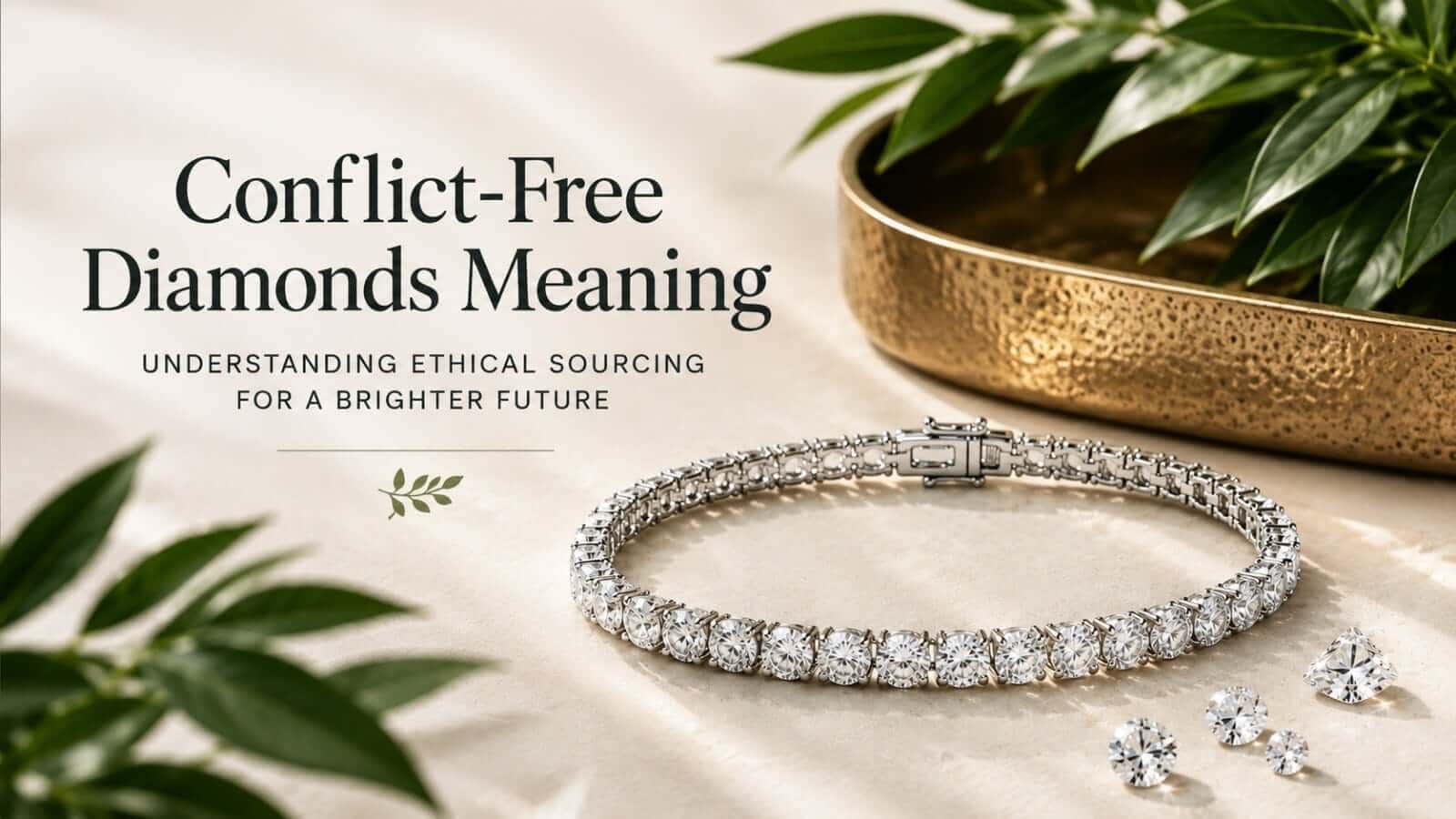
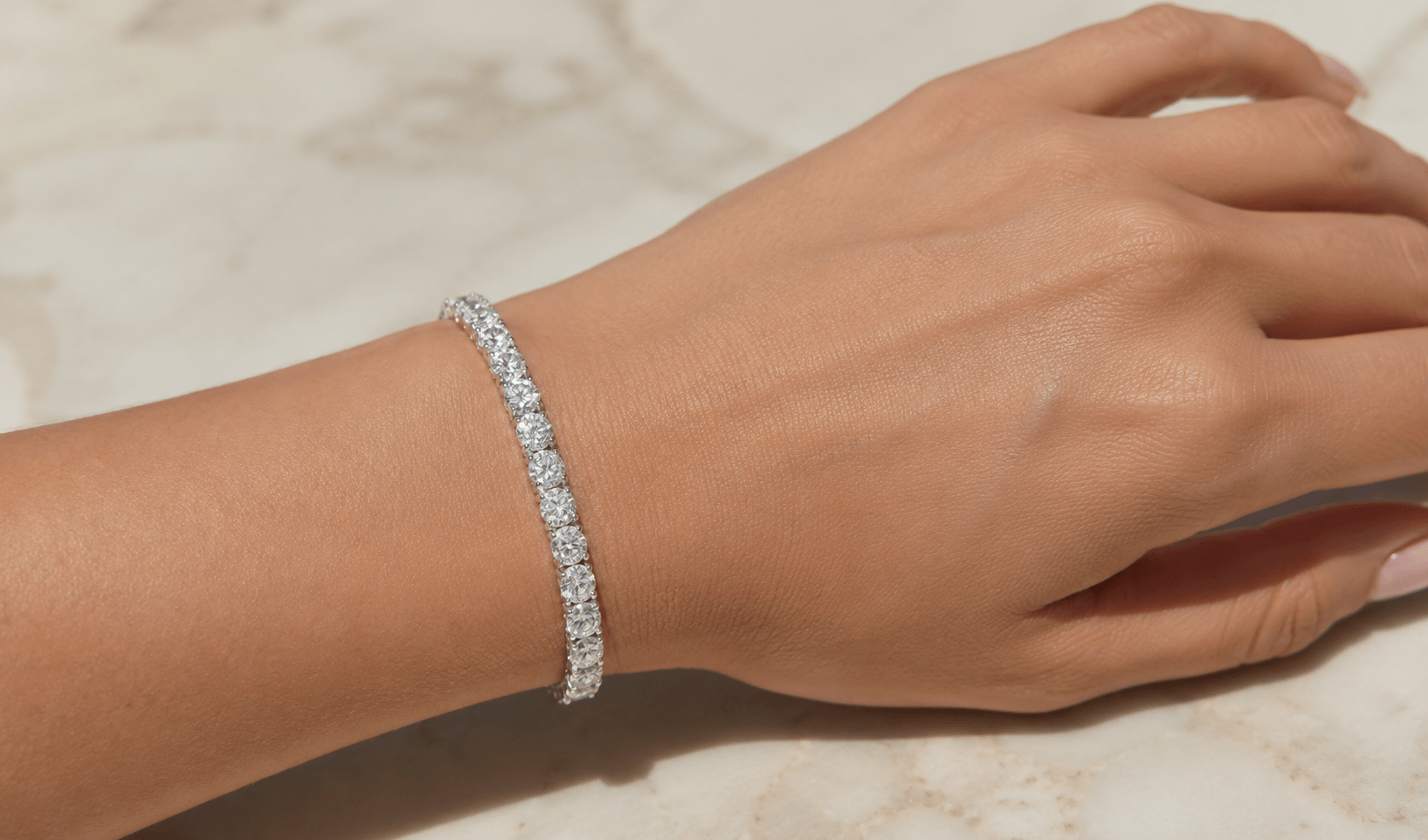 Lab Diamond Tennis Bracelet containing all D/VVS diamonds.
Why D/VVS Works Well in Diamond Jewelry
There is another reason D/VVS is appealing beyond individual stone specifications.
Consistency matters in jewelry containing many diamonds.
Consider an eternity ring.
Instead of one center stone, an eternity ring can contain dozens of diamonds placed directly beside one another.
The same applies to:
Tennis necklaces
Tennis bracelets
Diamond earrings
Multi stone rings
Diamond pendants
When stones are closely matched in color and clarity, the finished piece can have a more consistent appearance from diamond to diamond.
This makes quality specifications particularly relevant in pieces with a high total carat weight.
4.50ctw D/VVS Lab Grown Diamond Full Eternity Ring in Platinum
$1,745.00
$2,995.00
Indulge in the epitome of luxury with the 4.50ctw D/VVS Lab Diamond Full Eternity Ring, meticulously crafted in platinum. This opulent piece features a continuous circle of round, claw-set lab diamonds, offering an unbroken line of brilliance and symbolizing eternal… read more

A D/VVS eternity ring is also an easy way to understand the appeal of the specification visually. Instead of evaluating one diamond in isolation, you see a continuous line of colorless, high clarity stones working together.
Is D/VVS Worth It?
That depends on what you want from your jewelry.
For someone buying a natural diamond, moving into D color and VVS clarity can command a considerable premium.
Many buyers may decide that slightly lower grades provide better value because some differences are extremely difficult to detect without professional grading conditions.
Lab grown diamonds make the decision different.
Because high grades are generally much more accessible, buyers can often choose D/VVS specifications without sacrificing as much size or total carat weight.
That can be particularly appealing if your priorities are:
High color
High clarity
A very clean appearance
Larger carat weight
Consistent quality across multiple stones
There is no universal “best” diamond grade.
The best specification is the one that provides the combination of appearance, quality, and value you want.
D/VVS Does Not Replace the Other 4Cs
It is easy to see D/VVS and assume you know everything important about a diamond.
You do not.
Remember that D/VVS only tells you color and clarity.
You should still consider:
Cut
Cut strongly influences brilliance and sparkle.
Carat Weight
Carat measures the weight of the diamond.
Shape
Round, oval, emerald, pear, cushion, radiant, and other shapes create very different appearances.
Proportions
Two diamonds of the same carat weight can have different dimensions and visual presence.
Certification
When applicable, an independent grading report can provide valuable information about the characteristics of an individual stone.
A D/VVS diamond is an excellent starting specification, but the complete diamond still matters.
What Should You Look for When Buying a D/VVS Diamond?
Before purchasing, consider these questions:
Is the diamond natural or lab grown?
Is D the stated color grade?
Is the clarity VVS1 or VVS2?
Is there an independent grading report when applicable?
What is the cut quality?
What are the diamond's dimensions?
What precious metal is used in the jewelry?
If the piece contains many diamonds, how consistently are the stones matched?
You should also consider how you actually want the finished jewelry to look.
Specifications are useful because they give buyers a common language.
But jewelry is ultimately visual.
A grading report does not replace good design, craftsmanship, or attractive proportions.
Common D/VVS Diamond Myths
Myth: D/VVS Means Flawless
No.
D is the highest color grade, but VVS sits below Flawless and Internally Flawless on the clarity scale.
Myth: VVS Inclusions Are Easy to See
Usually not.
VVS inclusions are defined by how difficult they are for a skilled grader to see at 10x magnification.
Myth: D/VVS Guarantees Maximum Sparkle
No.
Sparkle depends heavily on cut quality.
Myth: D/VVS Only Applies to Natural Diamonds
No.
Labs such as IGI continue to use D color and VVS clarity terminology when grading lab grown diamonds.
Myth: Every D/VVS Diamond Looks Exactly the Same
No.
Diamonds can differ in cut, shape, proportions, carat weight, fluorescence, and other characteristics even when their color and clarity grades are identical.
The Bottom Line on D/VVS Diamonds
A D/VVS diamond combines two premium diamond specifications.
D represents the highest grade on the D to Z color scale.
VVS represents a clarity level where minute inclusions are difficult for a skilled grader to identify under 10x magnification.
Together, they describe a diamond with exceptional color and clarity.
But D/VVS should not be considered in isolation.
Cut remains critical to sparkle. Carat determines weight. Shape influences appearance. Proportions influence how the diamond presents itself when viewed.
For natural diamonds, achieving D color and VVS clarity can come with a substantial premium.
Lab grown diamonds have made those specifications far more accessible, allowing more buyers to choose high color, high clarity diamonds while also prioritizing size and design.
At After Diamonds, that balance is exactly why D/VVS lab grown diamonds feature so prominently throughout our jewelry.
You get an exceptional specification without having to choose between quality and presence.
Explore all our D/VVS options today!
Take a look at our remarkable collection of D/VVS Lab Diamond Jewelry
FAQs
What does D/VVS mean in diamonds?
D refers to the highest color grade on the D to Z diamond color scale. VVS means Very, Very Slightly Included, a high clarity category containing VVS1 and VVS2.
Is a D/VVS diamond good?
Yes. D/VVS represents exceptionally high color and clarity grades.
Is D the best diamond color?
D is the highest grade on the standard D to Z color scale and represents the colorless end of that scale.
Is VVS the best diamond clarity?
VVS is extremely high clarity, but Flawless and Internally Flawless grades sit above it.
What is better, VVS1 or VVS2?
VVS1 is the higher clarity grade. Both contain minute inclusions that are very difficult for a skilled grader to identify under 10x magnification.
Can you see inclusions in a VVS diamond?
Typically, VVS inclusions are extremely difficult to see without magnification. The distinction is primarily a gemological grading characteristic rather than an obvious visual imperfection during normal wear.
Are lab grown diamonds available in D/VVS?
Yes. Lab grown diamonds can have D color and VVS clarity. IGI continues to use traditional color and clarity grades when assessing lab grown diamonds.
Is a D/VVS diamond better than a D/VS diamond?
It has a higher clarity grade. Whether it is the better purchase depends on your priorities because many VS diamonds can also appear clean to the unaided eye.
Does D/VVS mean a diamond has the best cut?
No. D/VVS describes color and clarity only. Cut must be evaluated separately.
Is D/VVS worth buying?
For someone seeking exceptionally high color and clarity, D/VVS is an attractive specification. Lab grown diamonds make this quality combination considerably more accessible than it has traditionally been in natural diamonds.